
Complete Chimney Services for a Safer Home
JW Chimneys provides professional chimney inspections, sweeping, repairs, relining, caps, chase covers, masonry restoration, and rebuilding throughout Montgomery, Bucks, and Lehigh Counties.
Chimney Services Tailored to Your Home's Needs
From annual inspections to full chimney rebuilds, JW Chimneys handles every aspect of chimney care. Each service is performed by CSIA Certified professionals focused on safety, honest findings, and lasting results.
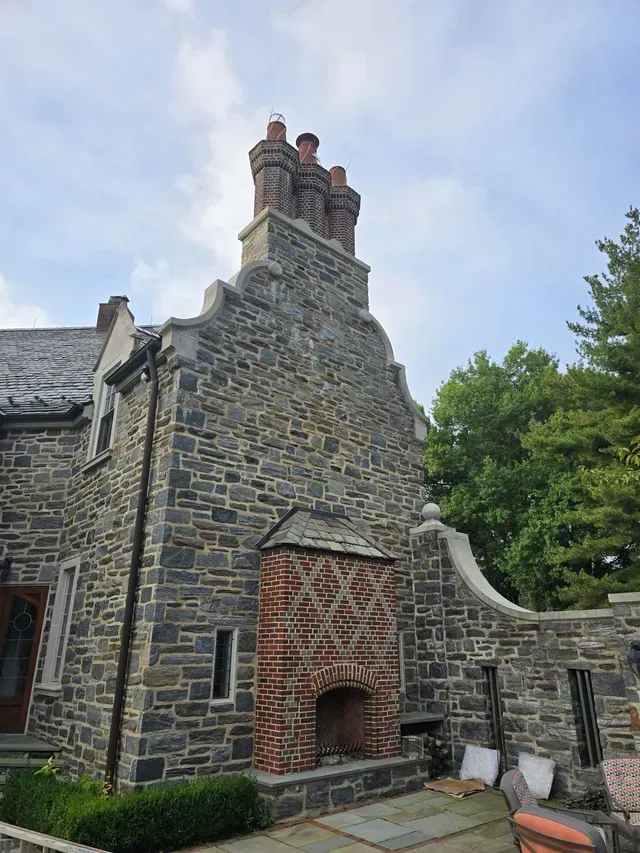
Chimney Inspections
Thorough evaluations of your chimney’s structure, liner, and components to identify buildup, damage, deterioration, and potential safety concerns.
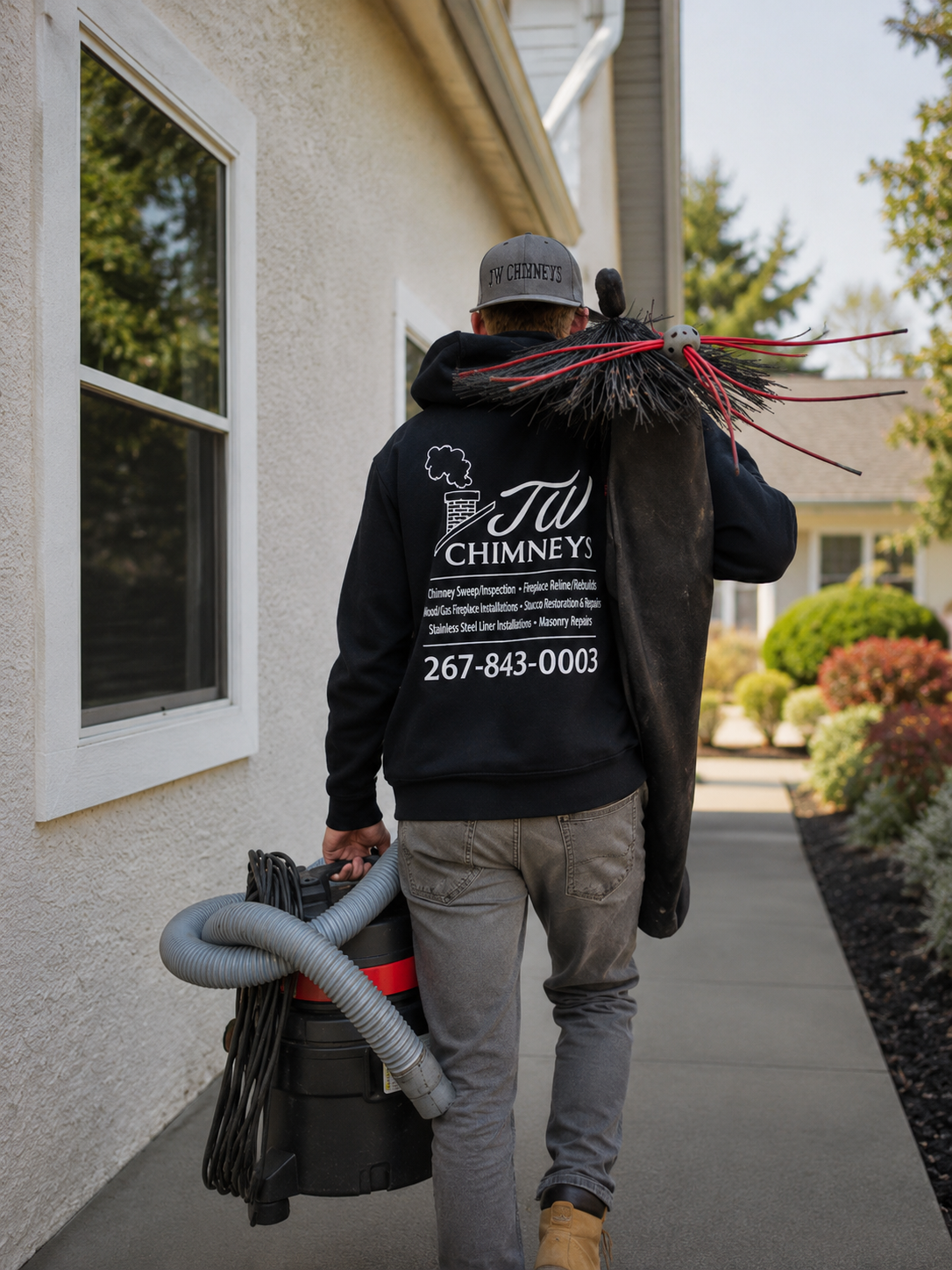
Chimney Sweeping & Cleaning
Professional removal of soot, creosote, and debris to support safer, more efficient chimney operation.
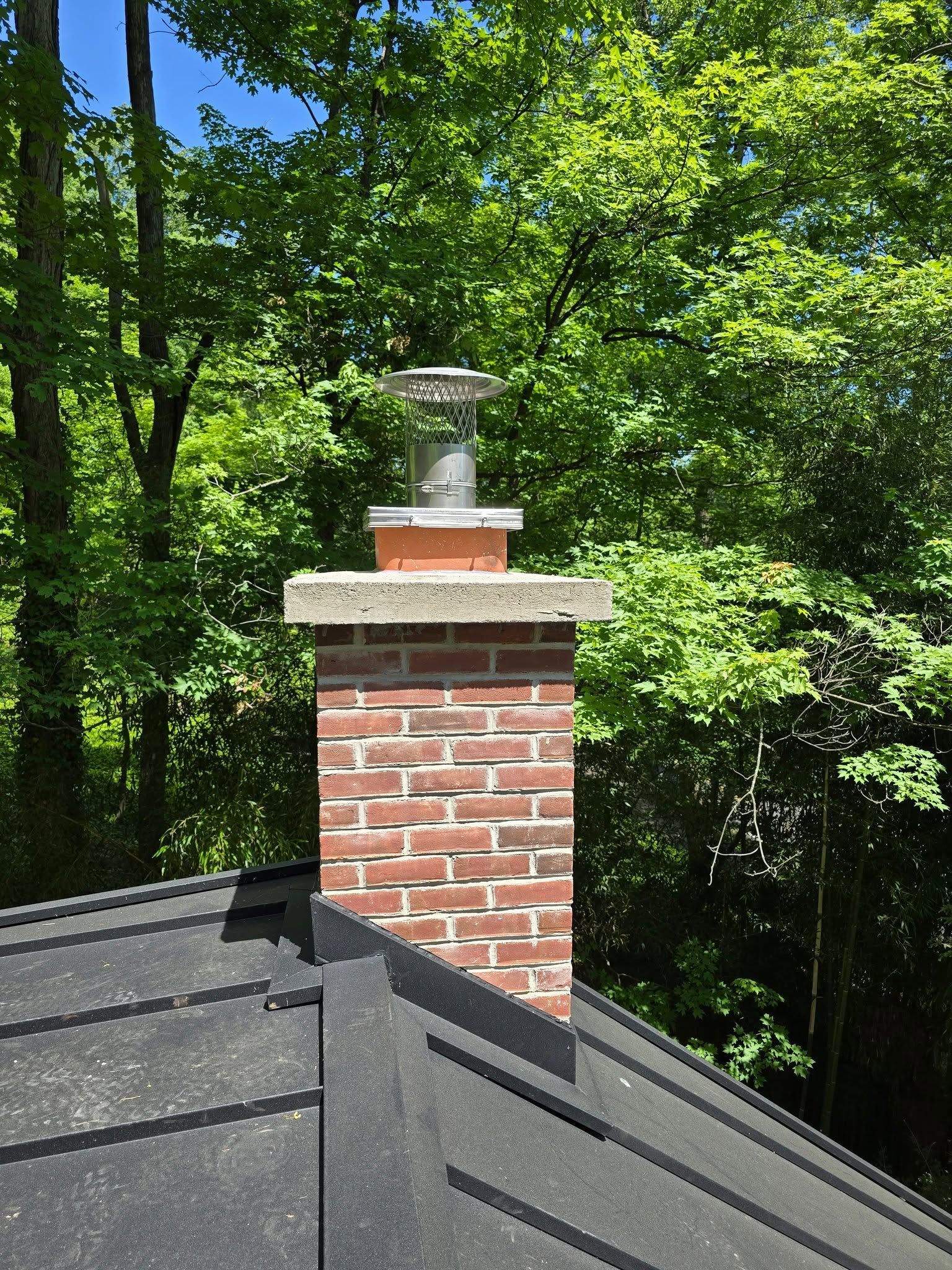
Chimney Repairs
Professional repairs for damaged masonry, crowns, flashing, caps, liners, and other chimney components.
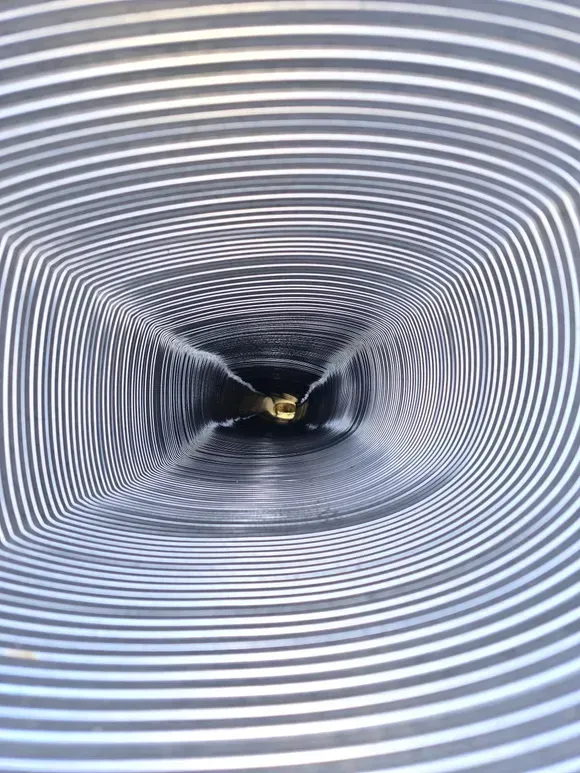
Chimney Liners & Relining
Inspection, repair, and installation of chimney liner systems to support safe venting and proper operation.
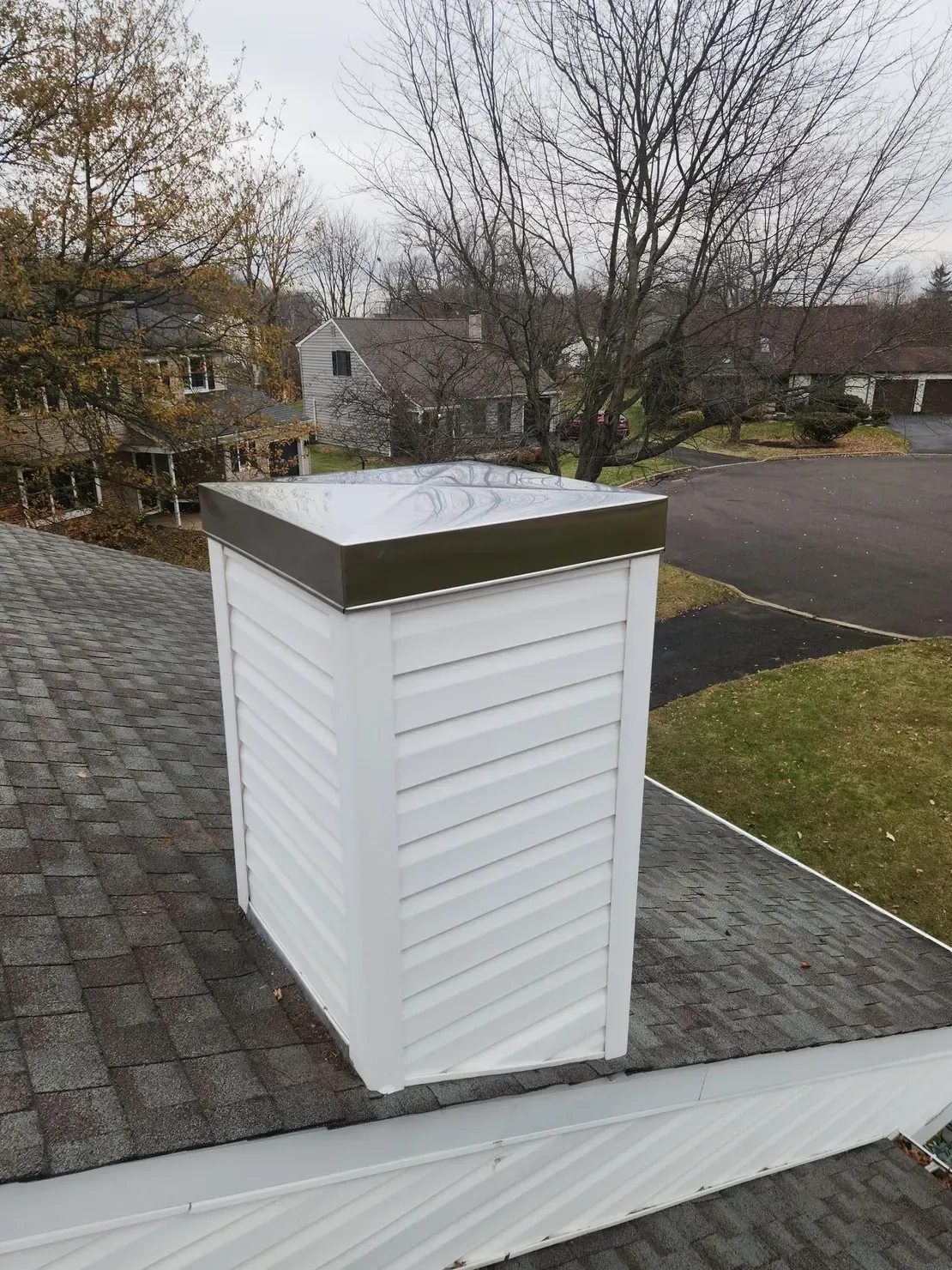
Chimney Caps & Chase Covers
Installation and replacement of caps and chase covers designed to help protect chimney systems from water, animals, and debris.
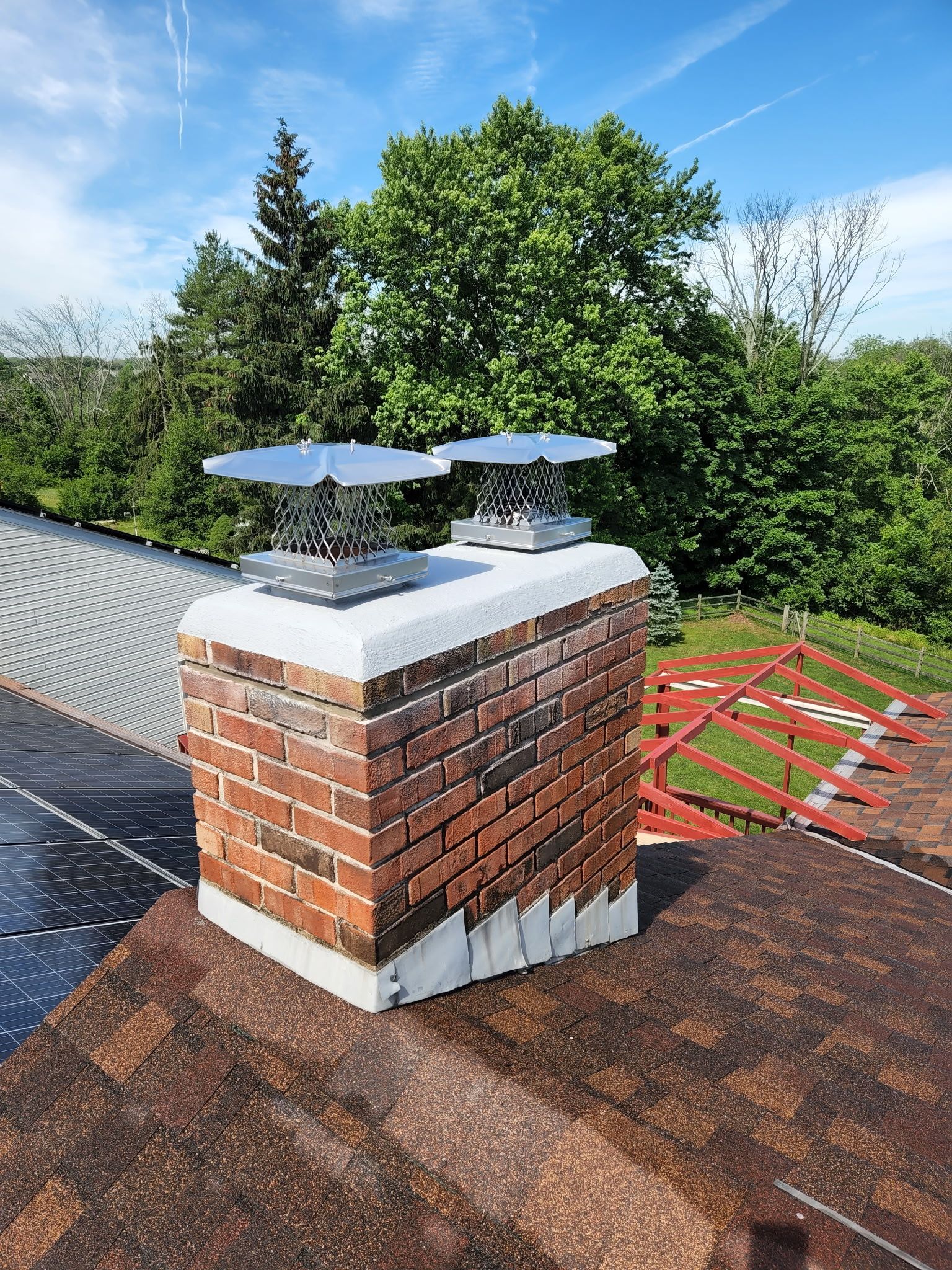
Chimney Crown Repair
Crack repair, sealing, and crown rebuilding to help prevent water intrusion and further chimney deterioration.
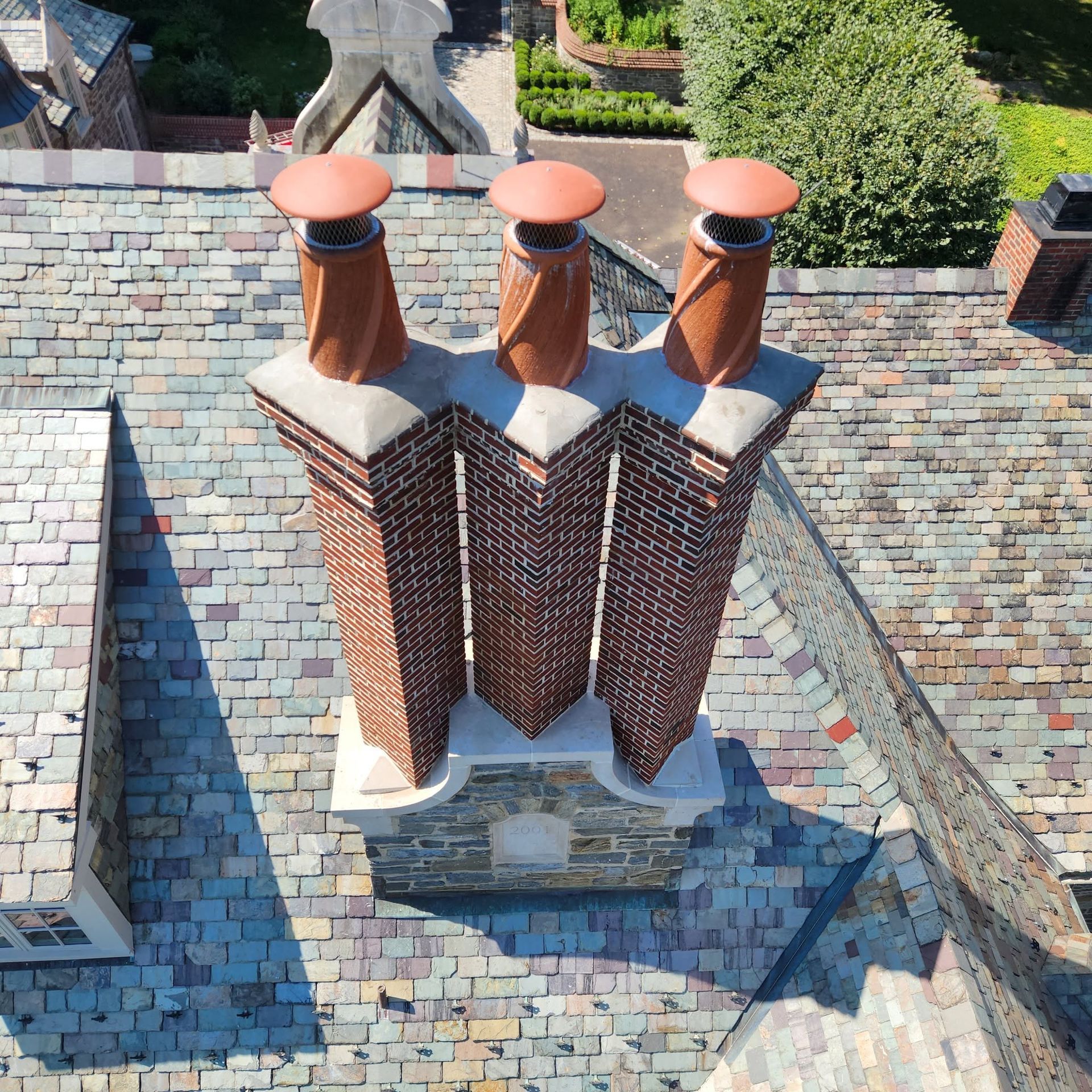
Chimney Rebuilding
Partial or complete reconstruction of severely deteriorated or structurally damaged chimneys to restore safety, stability, and long-term performance.
FEATURED SERVICE
Start With a Chimney Inspection
A professional chimney inspection is a smart first step—whether you recently purchased your home, have not used your fireplace in a while, or noticed something unusual. NFPA 211 outlines three inspection levels
- Level 1 — Appropriate for chimneys in regular use with no significant changes. Accessible portions of the chimney and fireplace are visually evaluated.
- Level 2 — Recommended after a property sale, a change to the system, an operating malfunction, or an event that may have caused damage. This level includes a detailed video scan of the flue interior.
- Level 3 — Used when a possible hidden hazard requires access to concealed areas or the removal of certain components for further evaluation.
Regular inspections can help identify buildup, liner damage, masonry deterioration, and other concerns before they become more extensive. JW Chimneys provides detailed findings and straightforward recommendations—without pressure
Warning Signs Your Chimney Needs Professional Attention
Chimney problems are not always visible from inside your home. These common warning signs may indicate that it is time to schedule an evaluation with a CSIA-certified chimney professional.
Smoke Entering the Living Space
If smoke backs into the room during use, the chimney may be blocked, damaged, or drafting improperly and should be evaluated.
Unusual Odors From the Fireplace
Persistent smoky, musty, or tar-like odors may indicate creosote buildup, moisture intrusion, or animal activity.
Visible Cracks in the Masonry
Cracks in the crown, brickwork, or mortar joints can allow water into the chimney and accelerate deterioration.
White Staining on the Exterior (Efflorescence)
White, chalky deposits—known as efflorescence—often indicate that moisture is moving through the masonry.
Flue Tile Fragments
Small pieces of terra-cotta tile or dark, flaking debris inside the fireplace may indicate damage to the chimney liner and should be evaluated.
Rust on the Damper or Firebox
Rust on the damper or inside the firebox often signals moisture intrusion, possibly from a missing or damaged chimney cap.
It Has Been More Than a Year Since Last Inspection
Chimneys should be inspected annually by a qualified professional—even when they are not used frequently. If you cannot remember the last inspection, scheduling one is a smart first step.
You've Recently Purchased the Home
A Level 2 inspection is commonly recommended during a property sale or transfer to identify existing conditions before the chimney or fireplace is used.
Chimney Service Questions, Answered
Find answers to common questions about chimney inspections, sweeping, repairs, and ongoing care. Still have questions? Contact JW Chimneys directly.
What is the difference between a chimney inspection and a chimney sweeping?
A chimney inspection evaluates the condition of the chimney, including its structure, liner, components, and accessible areas. Chimney sweeping removes soot, creosote, and debris from the flue. Although the services are related, they serve different purposes—a sweeping does not replace a thorough inspection.
How often should a chimney be inspected?
NFPA 211 calls for chimneys, fireplaces, and vents to be inspected at least once a year. Annual inspections can identify buildup, damage, deterioration, and other potential safety concerns before they become more serious.
How often should a chimney be swept?
Sweeping frequency depends on how often the fireplace or appliance is used, the type of fuel burned, and the amount of buildup found during inspection. Chimneys should be inspected annually and swept as needed to remove soot, creosote, and debris. Frequently used wood-burning systems may require more frequent cleaning.
What does a chimney liner inspection involve?
A chimney liner inspection evaluates the condition of the flue liner, which helps contain heat and combustion byproducts while protecting the surrounding chimney structure.
How long does a chimney inspection or sweeping take?
A standard chimney inspection or sweeping typically takes between 30 minutes and one hour, depending on the condition and accessibility of the system. Significant buildup, damage, or a more complex chimney system may require additional time.
What is CSIA certification, and why does it matter?
CSIA stands for the Chimney Safety Institute of America. A CSIA Certified Chimney Sweep® has passed examinations covering chimney and venting systems, safety standards, and industry codes. Certification must also be renewed through continued education or additional testing. For homeowners, it provides added confidence that their chimney is being evaluated by a properly trained professional.
What areas do you serve?
JW Chimneys serves homeowners throughout Montgomery County, Bucks County, and Lehigh County in Pennsylvania. Contact us to confirm service availability in your specific location.
Additional questions? Contact JW Chimneys — we're happy to help.
CSIA CERTIFIED · FAMILY-OWNED · MONTGOMERY, BUCKS & LEHIGH COUNTIES
Ready to Schedule Your Chimney Service?
Whether you need an annual inspection, sweeping, repair, relining, or a full chimney evaluation, JW Chimneys is ready to help. We provide honest findings, clear recommendations, and professional workmanship — no pressure, no guesswork.
CSIA Certified Professionals · Honest Recommendations · Serving PA Homeowners