
Fireplace Services for a Safer, More Comfortable Home
JW Chimneys offers professional fireplace inspections, cleaning, repairs, maintenance, restoration, and installation for wood-burning, gas, and electric fireplace systems. Serving Montgomery, Bucks, and Lehigh Counties, we carefully evaluate each system and provide homeowners with honest, clear guidance based on what their fireplace needs.
What We Do
Fireplace Services We Provide
From fireplace selection and installation to inspections, cleaning, repairs, maintenance, and restoration, JW Chimneys provides comprehensive service for wood-burning, gas, and electric fireplace systems throughout Southeastern Pennsylvania.
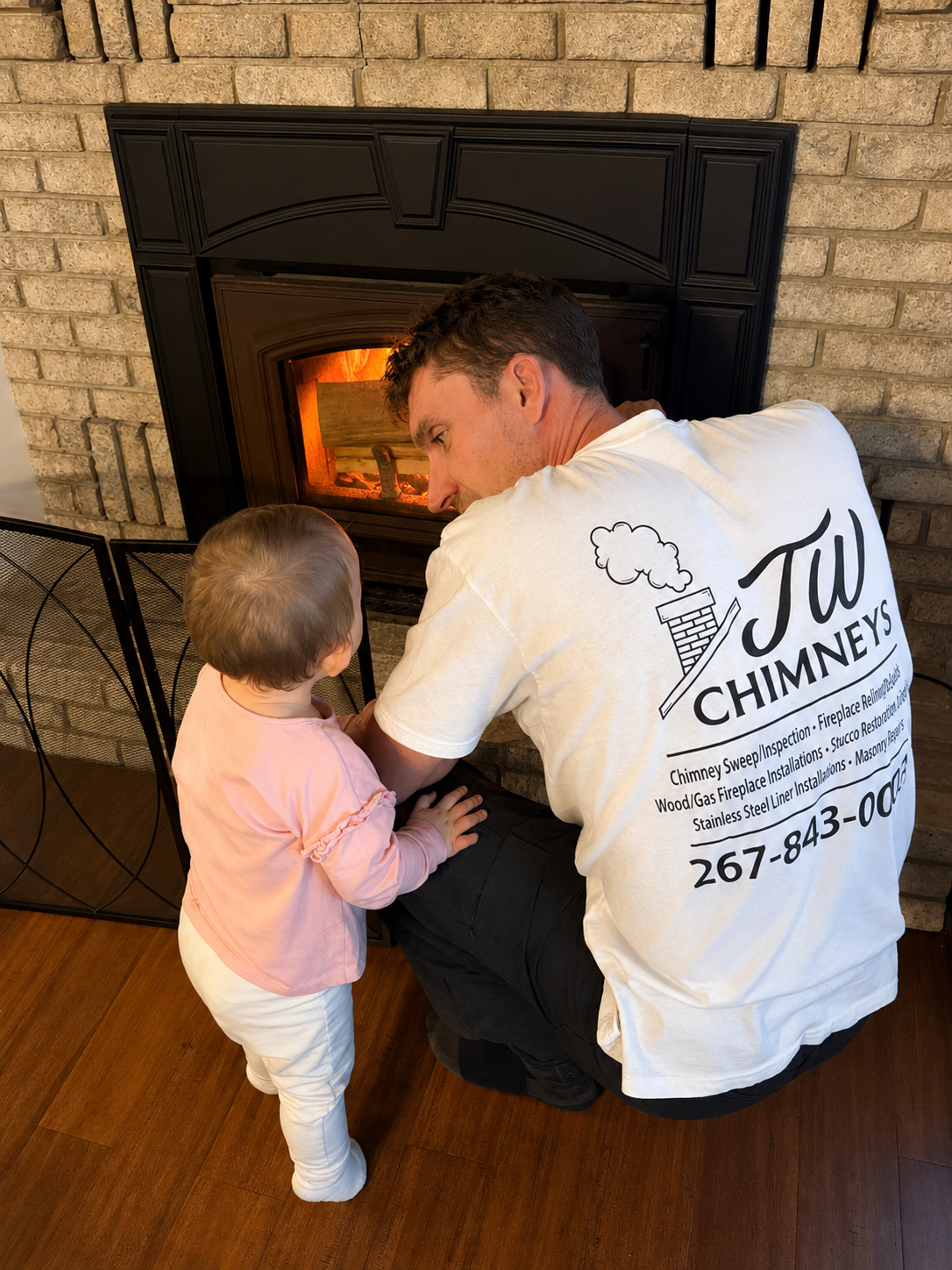
Fireplace Inspections
A detailed evaluation of the firebox, damper, smoke chamber, liner, surround, and hearth to identify buildup, deterioration, damage, and potential safety concerns.
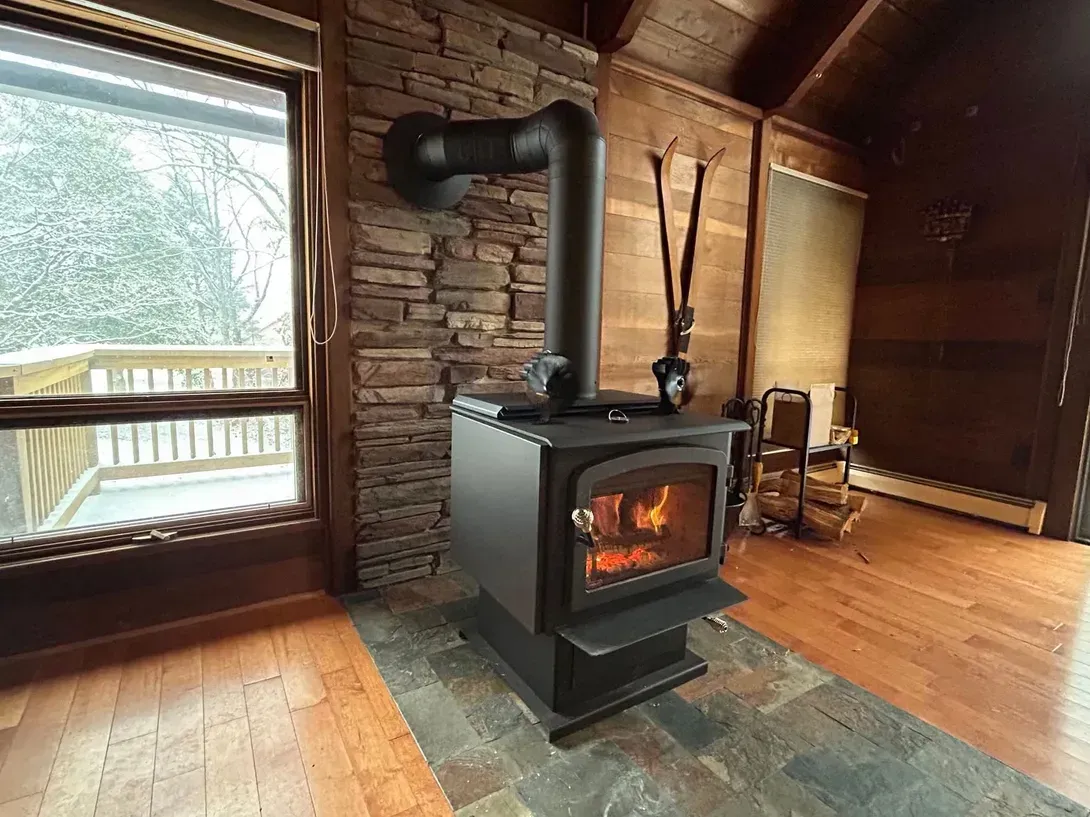
Fireplace Cleaning
Removal of soot, ash, creosote, and debris from the firebox and connected venting system to support cleaner, safer operation.
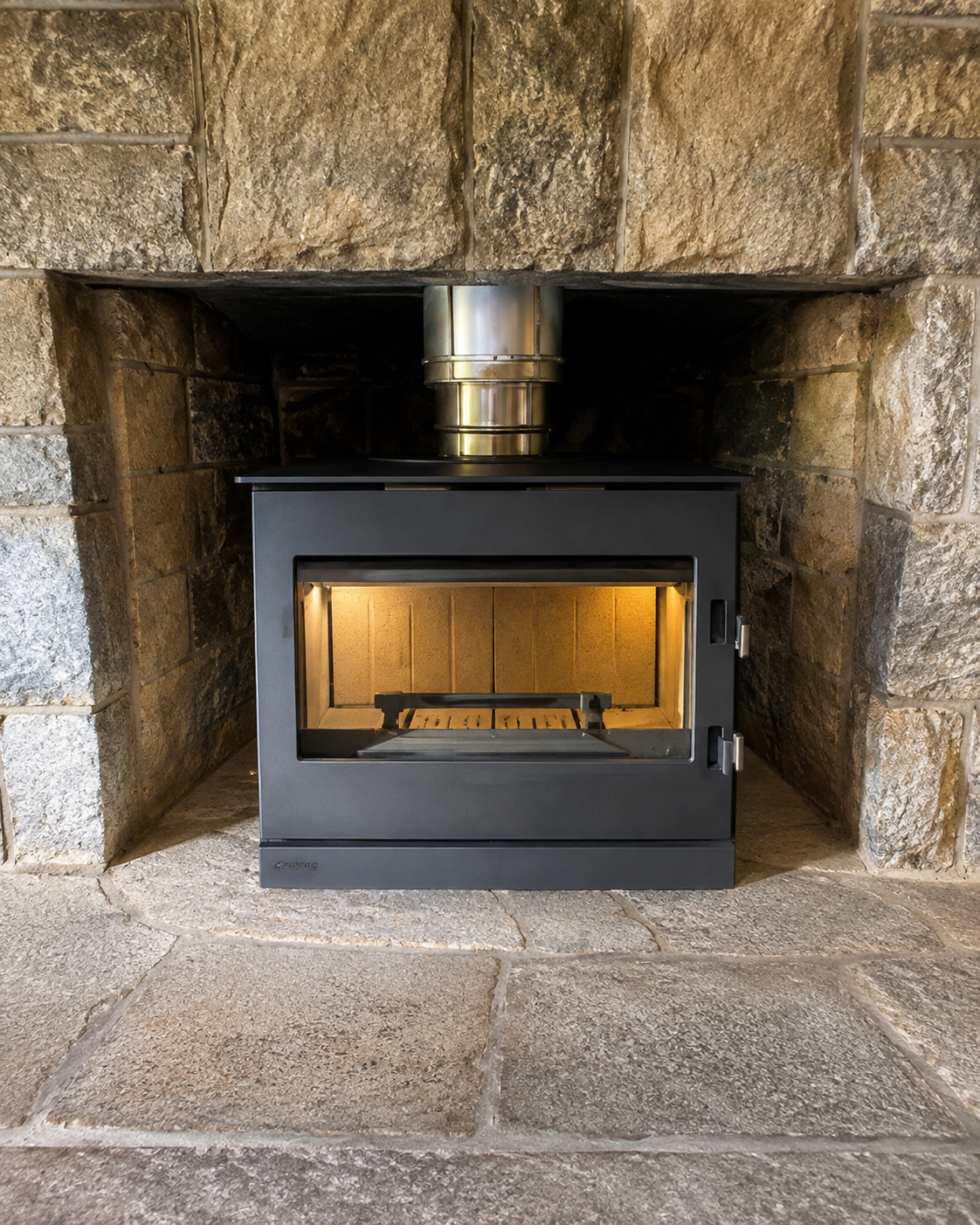
Fireplace Repairs & Maintenance
Repairs, troubleshooting, and routine maintenance for damaged or worn fireplace components to support safe, reliable operation.
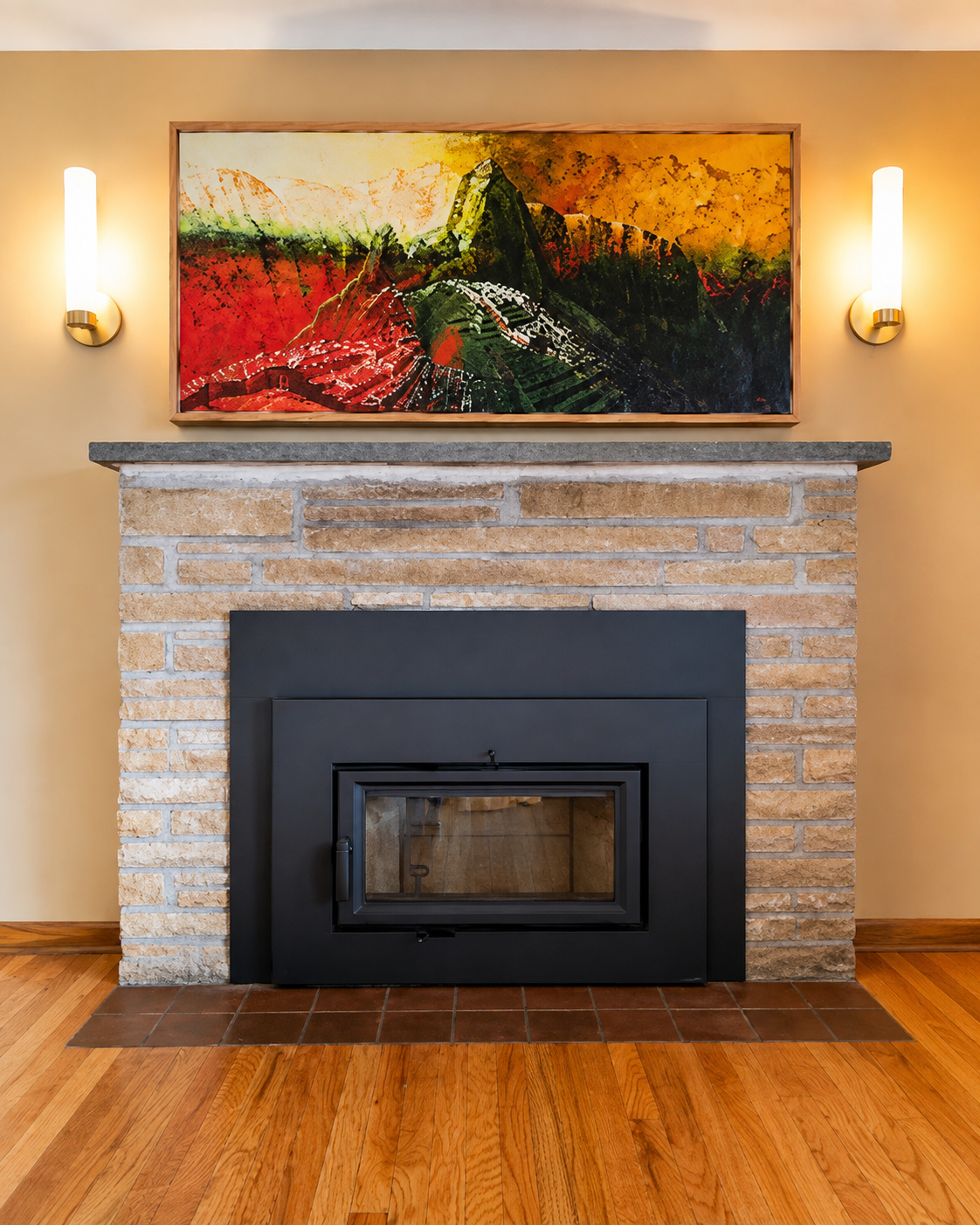
Wood-Burning Fireplace Services
Fireplace and insert installation, inspections, cleaning, repairs, and maintenance for traditional wood-burning systems.
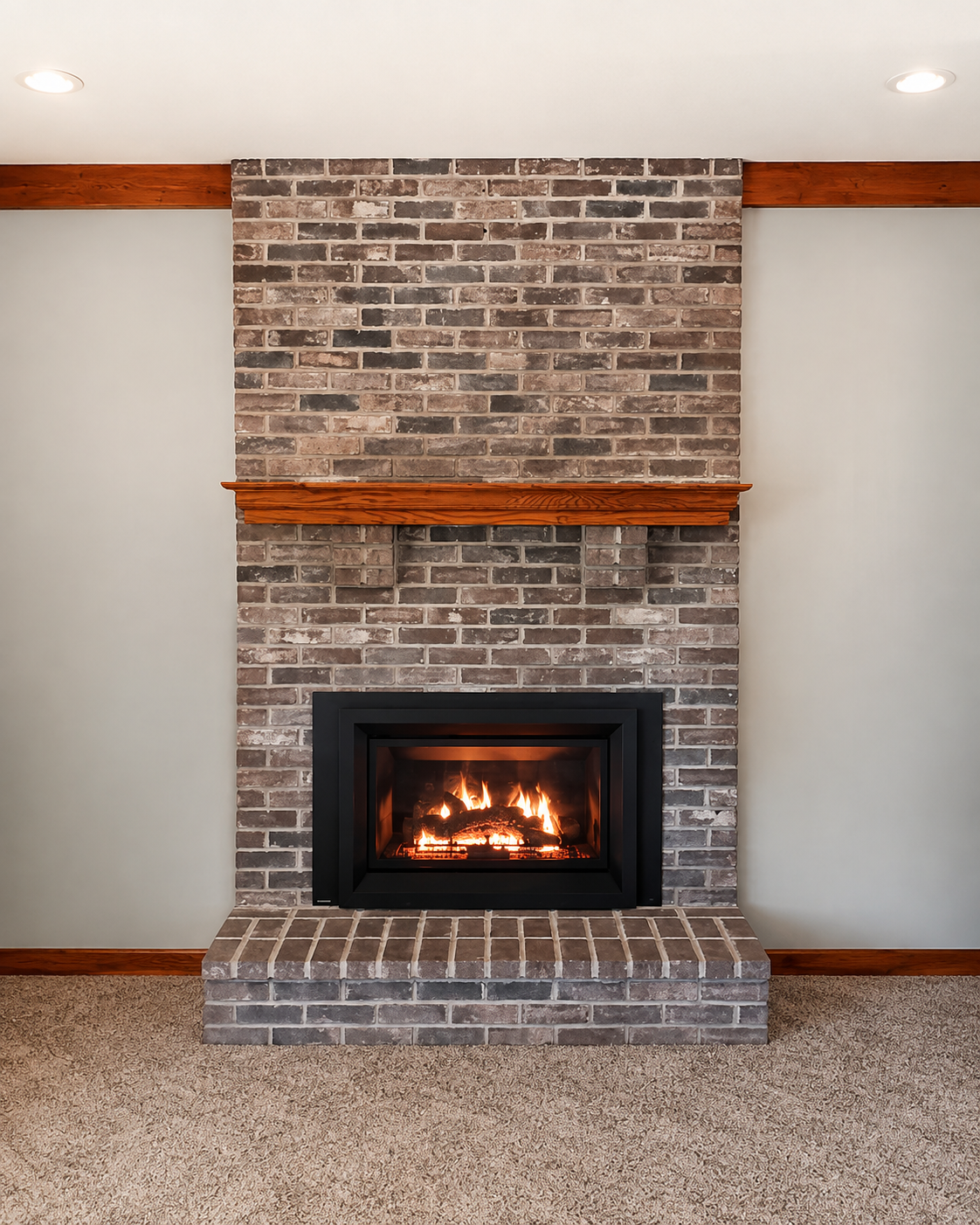
Gas Fireplace Services
Gas fireplace and log-set installation, replacement, inspections, cleaning, troubleshooting, and maintenance.
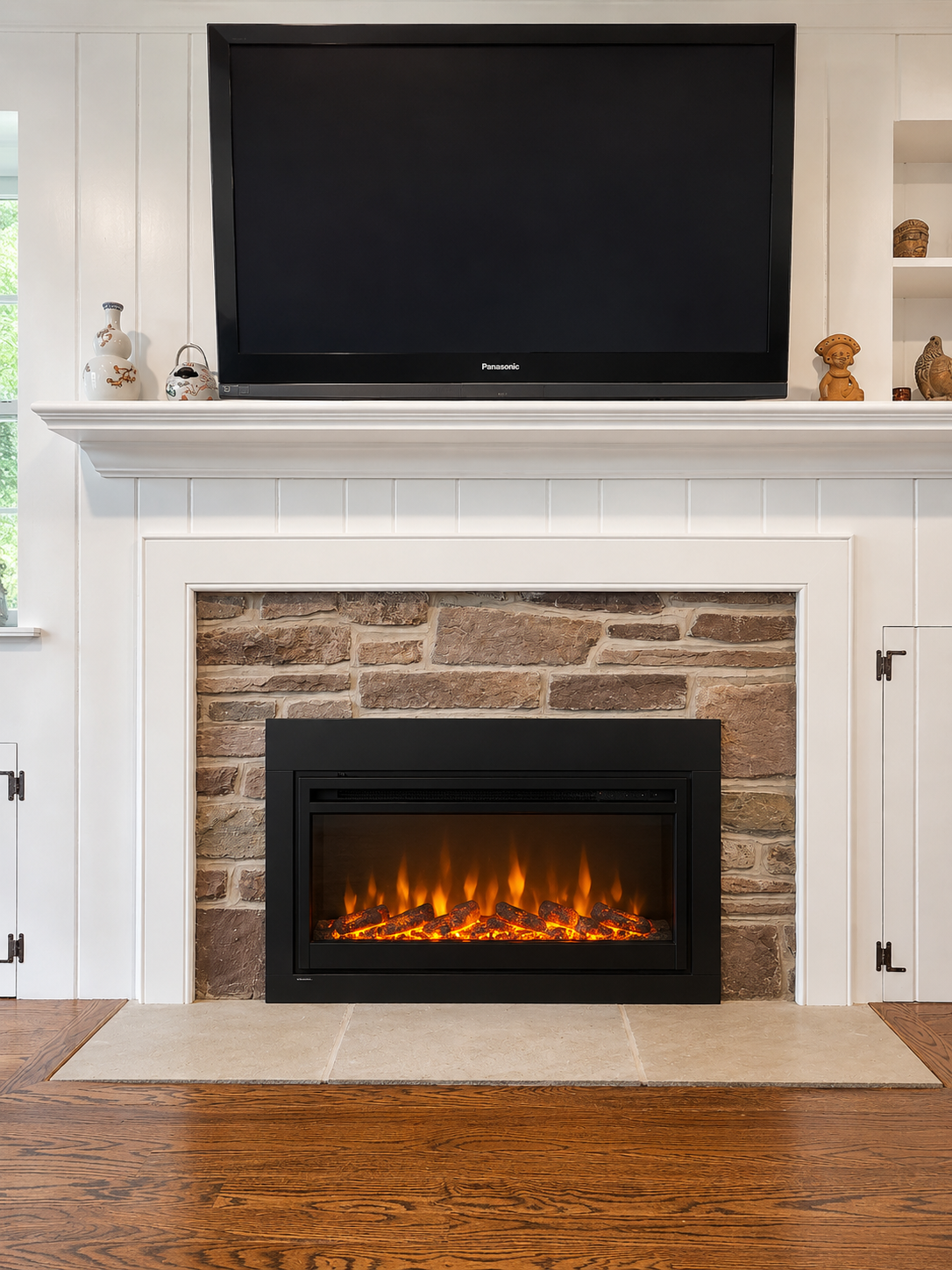
Electric Fireplace Services
Electric fireplace and insert installation, replacement, troubleshooting, and maintenance.
Our job doesn’t end when the work is done!
At JW Chimneys, we believe customer education is just as important as quality workmanship.
That’s why we take the time to show our customers how to safely and confidently operate their fireplaces and wood stoves.
Have questions about your fireplace or wood stove? We’re here to help!
Designed to Fit Your Fireplace and Your Home
Custom fireplace mantels are designed around your space, style, and existing fireplace. From classic wood designs to clean, modern profiles, each mantel adds character and completes the look of the room.
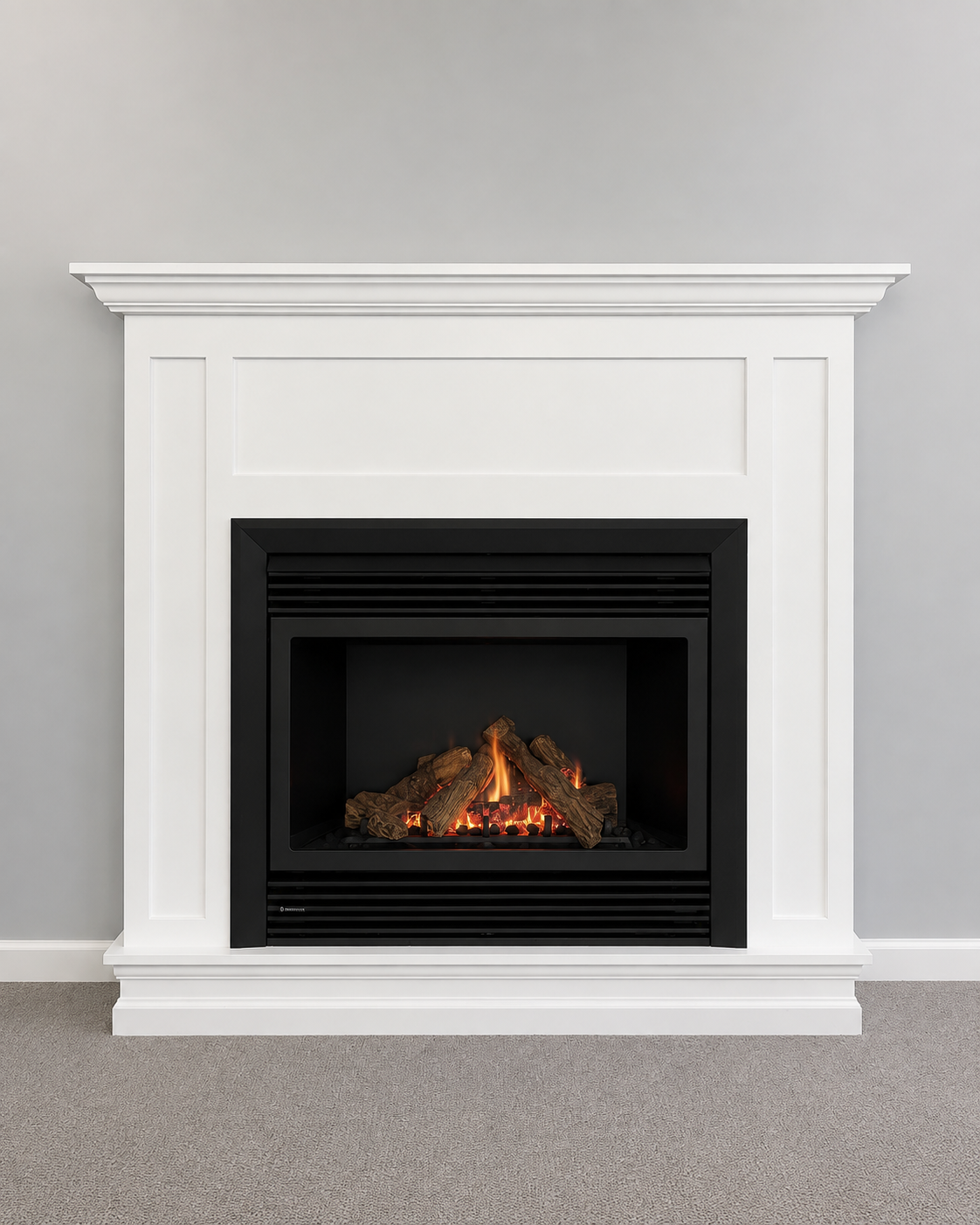
Custom Sizing and Design
Tailored to your fireplace, room, and preferred style.

Wood & Finish Options
Choose from a variety of wood species, tones, and finishes to complement your fireplace and home.

Styles for Every Home
Options ranging from classic and traditional to clean, modern designs.

Quality Craftsmanship
Carefully built with attention to detail, fit, and lasting quality.
Know Your System
Wood-Burning, Gas & Electric Fireplace Systems
The type of fireplace in your home determines how it operates and what service it may need. Here is a simple overview of wood-burning, gas, and electric systems and the care typically associated with each.
Wood-Burning Fireplaces
Wood-burning fireplaces produce soot, ash, and creosote that can collect in the firebox, smoke chamber, and flue. Routine inspections and sweeping help identify buildup, deterioration, and other conditions that may affect safe operation.
- Annual chimney inspection
- Sweeping based on use and buildup
- Creosote and soot evaluation
- Firebox and damper inspection
- Flue liner evaluation
- Crown, cap, flashing, and masonry checks
Annual inspections help identify concerns before they become more extensive or costly.
Gas Fireplaces
Gas fireplaces burn cleaner than wood-burning systems, but they still require inspection and routine maintenance. Venting issues, dirty components, worn seals, and ignition problems can affect performance and safety.
- Burner and ignition evaluation
- Pilot light and control inspection
- Venting and flue evaluation
- Gas log and ember-bed inspection
- Glass, gasket, and seal checks
- Cleaning and component testing
Routine service helps confirm that the fireplace, venting, and safety controls are operating properly.
Electric Fireplaces
Electric fireplaces do not produce combustion gases, soot, or creosote and do not require a chimney or flue. Service is generally focused on the electrical components, heating element, controls, and overall operation.
- Installation and replacement
- Heating-element evaluation
- Flame-effect and lighting checks
- Remote and control troubleshooting
- Electrical connection inspection
- Cleaning and routine maintenance
Electric fireplaces offer flexible installation and convenient operation, but damaged wiring or malfunctioning components should still be evaluated professionally.
Understanding Your Fireplace
Key Fireplace Components and Common Issues
A fireplace includes several connected components that work together to contain heat, control airflow, and direct combustion byproducts into the chimney. Understanding these parts can help homeowners recognize when professional service may be needed.
Firebox
The chamber where the fire burns, typically lined with firebrick and heat-resistant mortar.
- Cracked or damaged firebrick
- Deteriorated mortar joints
- Heat damage or gaps in the firebox
Damper
A movable metal plate located above the firebox that controls airflow into the chimney and closes when the fireplace is not in use.
- Rusted, warped, or stuck damper
- Damper that does not fully open or close
- Broken handle or operating mechanism
Smoke Shelf
A horizontal area located behind the damper that can collect soot, creosote, and falling debris.
- Soot, creosote, or debris buildup
- Moisture-related deterioration
- Blockages that may affect proper drafting
Surround and Mantel
The finished area around the fireplace opening, which may be constructed from brick, stone, tile, wood, or other materials.
- Cracked, loose, or stained finishes
- Deteriorated mortar or grout joints
- Heat damage near the fireplace opening
Hearth
The noncombustible area extending in front of and around the fireplace opening.
- Cracked or chipped surfaces
- Loose or uneven materials
- Deterioration near the firebox opening
Fireplace Insert
A self-contained wood-burning, gas, or electric unit designed to fit within an existing fireplace opening.
- Damaged doors, glass, or seals
- Worn or malfunctioning components
- Improper installation or connection
- Venting concerns for wood-burning and gas units
Common Questions
Fireplace Service FAQ
Answers to the questions homeowners most often ask before scheduling fireplace inspection or service.
How often should a fireplace be inspected?
Wood-burning and gas fireplaces should generally be inspected at least once a year to evaluate the firebox, venting, chimney, and other connected components. Electric fireplaces do not require chimney inspections, but they should still be checked periodically for damaged wiring, worn components, unusual sounds, or heating problems.
Do gas fireplaces need to be swept or cleaned?
Gas fireplaces do not produce the same soot and creosote buildup as wood-burning systems, so traditional chimney sweeping is not usually required. However, they should still be inspected and cleaned periodically to remove dust and debris and to check the burner, logs, glass, controls, and venting system for proper operation.
What are common signs that a fireplace may need repairs?
Warning signs include smoke entering the room, persistent odors, visible cracks, loose or deteriorated mortar, rust, staining, difficulty opening or closing the damper, unusual sounds, or problems with ignition or heating. Some damage may not be visible without a professional inspection.
What does a professional fireplace cleaning include?
The cleaning process depends on the type of fireplace. For wood-burning systems, it may include removing soot, ash, creosote, and debris from the firebox and accessible venting areas. Gas fireplaces may require cleaning of the glass, logs, burner area, and accessible components. The surrounding work area is protected, and visible components are checked for signs of damage or deterioration.
Schedule Your Fireplace Service Today
Whether you need a fireplace inspection, cleaning, repair, maintenance, or a new wood-burning, gas, or electric fireplace, JW Chimneys is ready to help. We serve homeowners throughout Montgomery, Bucks, and Lehigh Counties with skilled service and straightforward guidance.
(267) 843-0003